Cytoskeleton regulation in development and disease
Cytoskeleton reorganisaton
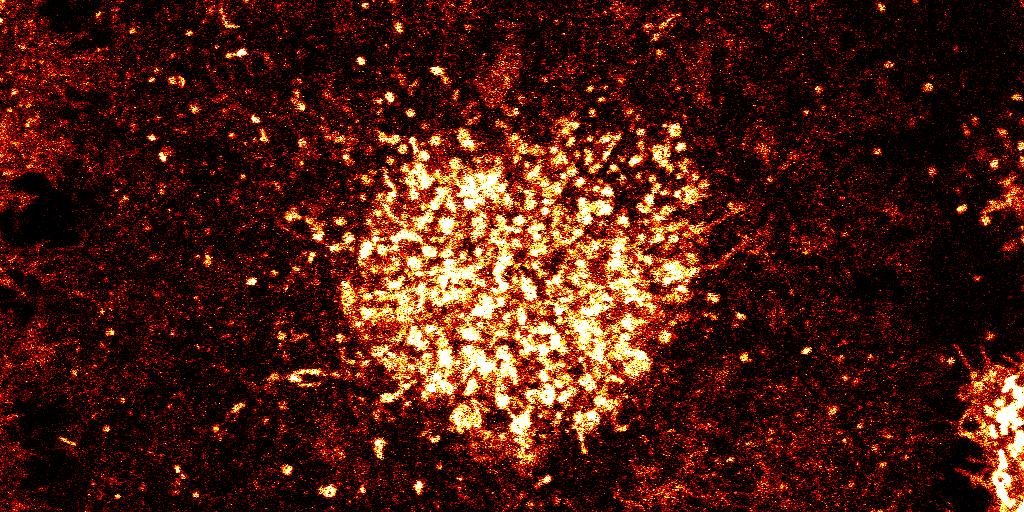
Two key components of all cells and neurons are the actin and microtubules. These important structures are essential for many functions of a cell and are constantly undergoing modifications. Our understanding of the organization and the proteins responsible for inducing changes in the cytoskeleton is constantly increasing.

MAP Regulation
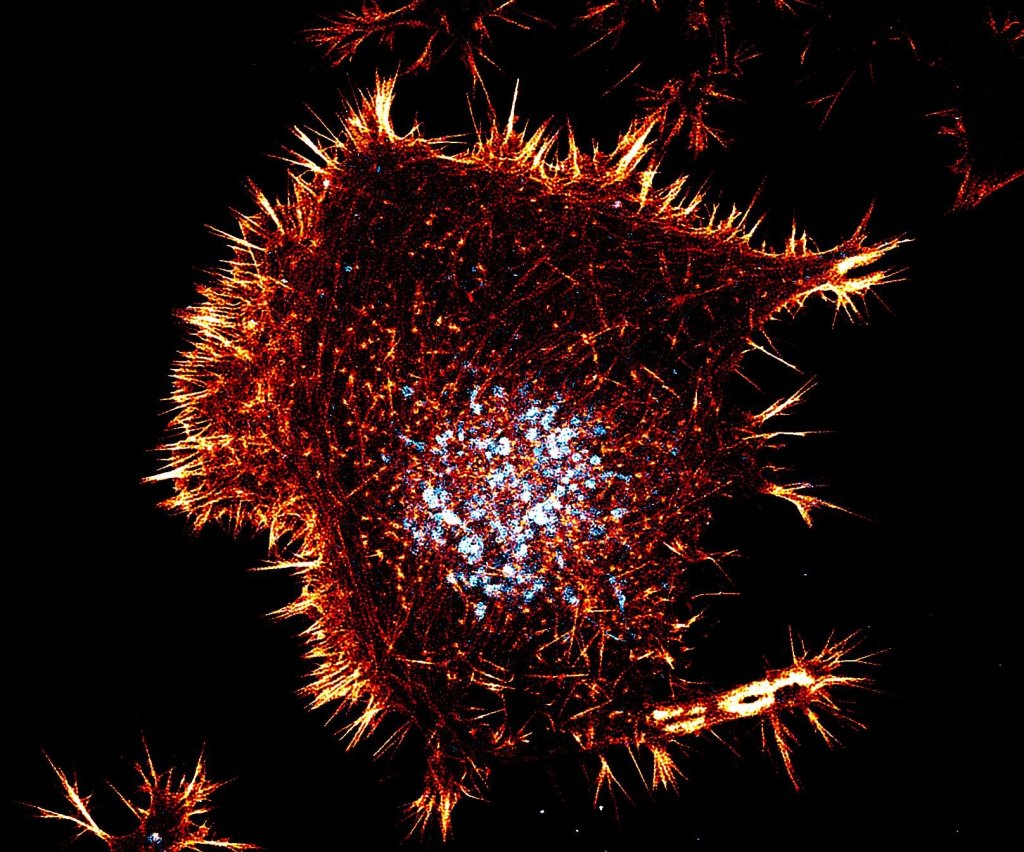
Microtubule associated proteins modify the properties of the microtubules and influence the recruitment of particular proteins to the microtubule network. Localized recruitment to certain regions of a neuron provides a mechanism for localized regulation. How the diverse family of MAPs become localized and influence neuronal function is increasingly complex.
Axon transport
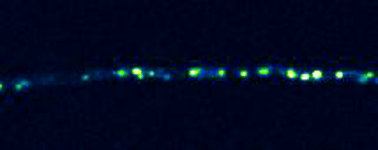
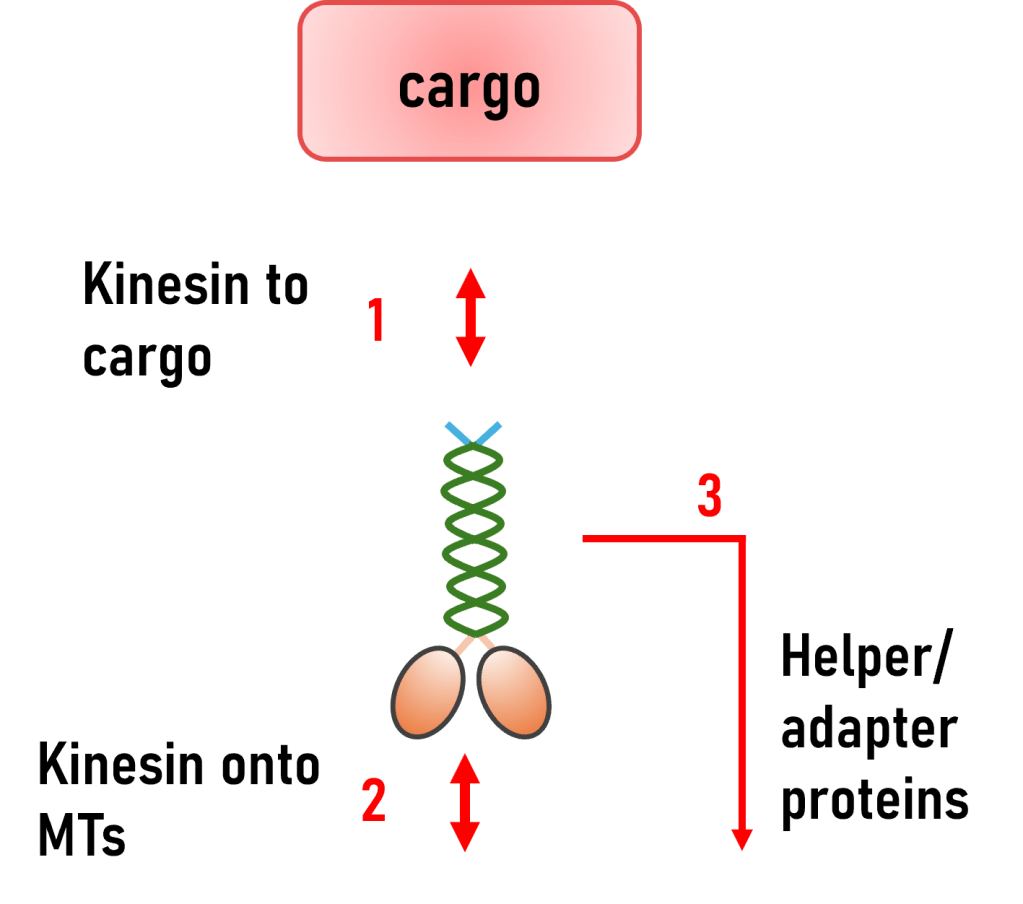
Proteins, organelles and vesicles are required to be moved around a neuron from sites of generation to where they are needed. This means that many proteins generated at the cell body need to be transported to the distal growth cone of synapse. This process is mediated by molecular motors, kinesin and dynein. How specific motors, cargos and adapters coordinate to achieve efficient transport and delivery is essential to understand for neuronal development, maintenance and plasticity.
Optogenetics
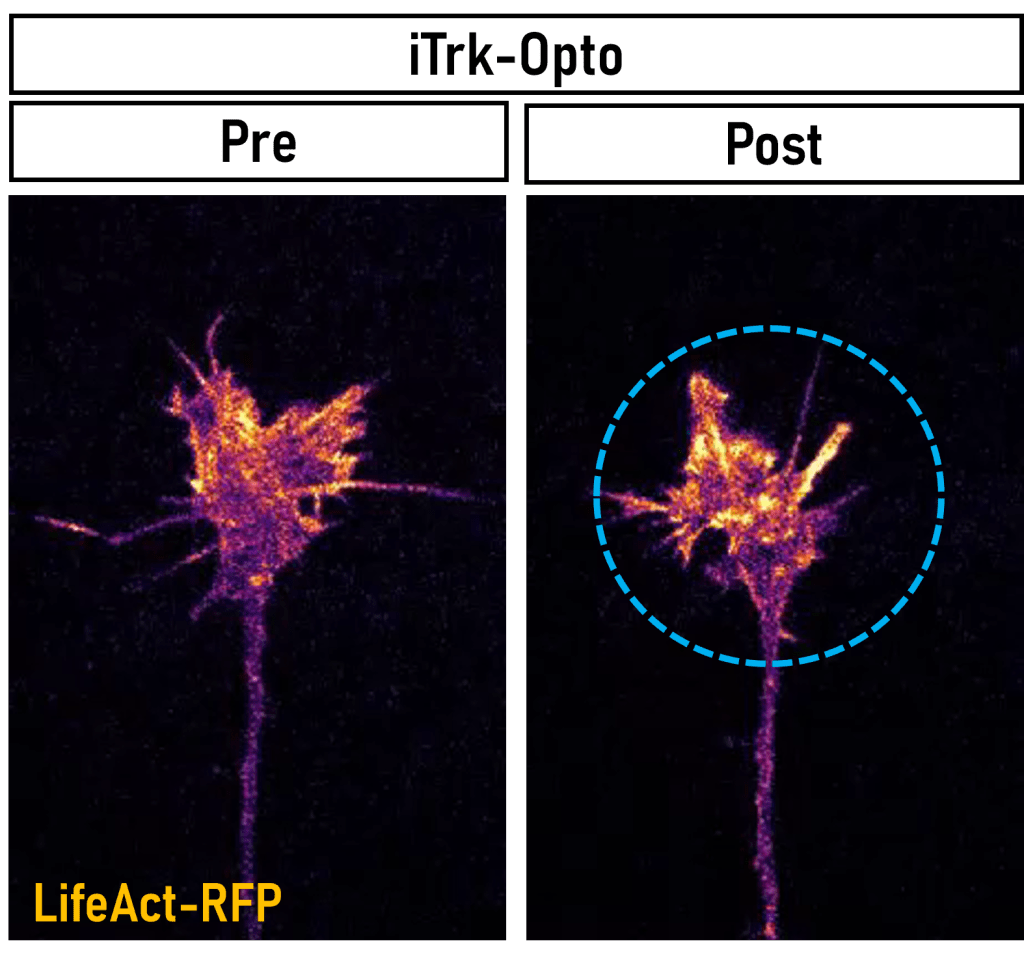
The ability to precisely control protein function with a high degree of spatial and temporal control is an incredibly powerful tool to understand cellular and neuronal function. Leveraging the power of optogenetics, using targeted light to induce changes in protein structure and interactions can help elucidate important mechanisms.
Disease
Almost every neurodevelopmental and neurodegenerative diseases such as Parkinson’s, Alzheimer’s and Autism have defects in the cytoskeleton and axon transport. Understanding the mechanisms underlying the causes of these disorders is essential if there is ever to be any therapeutic intervention.
Injury
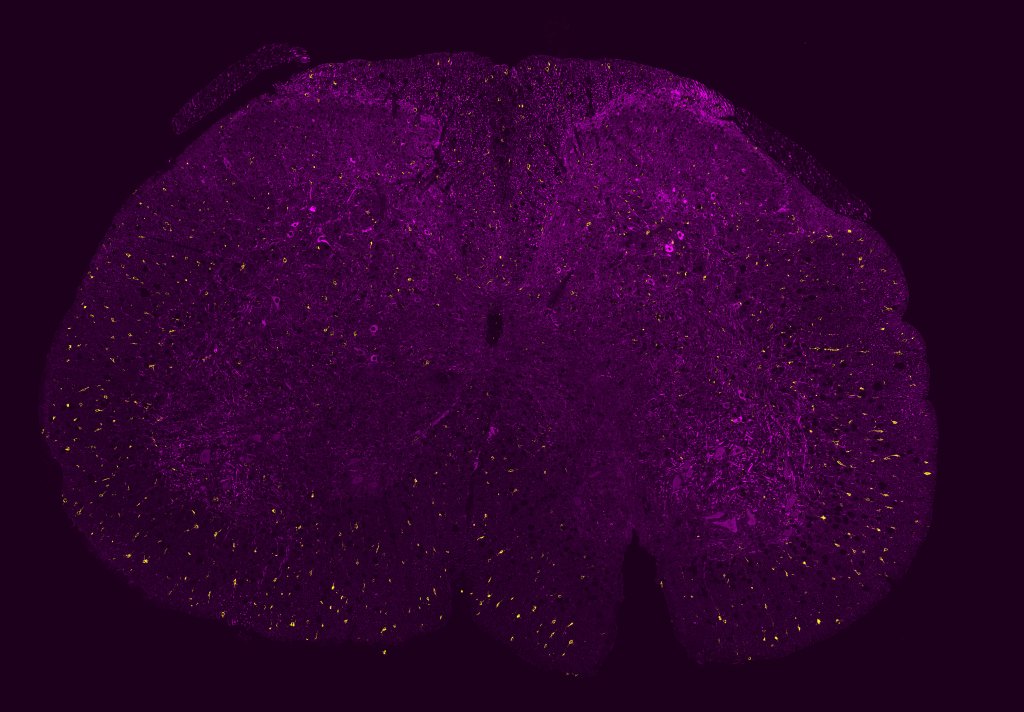
After axonal injury, a large number of signaling pathways are activated leading to degeneration of the injured axon. We are interested in how the axonal architecture can slow the degeneration.
 Tymanskyj Lab